Service dog training hinges on composure under pressure. A well-bred dog can learn tasks in a peaceful kitchen area, but the genuine proof shows up on a windy afternoon when a skateboard shoots past, a splash pad emerges, and a young child points and squeals. That is why Gilbert Regional Park ranks high up on my list of socialization locations. The park provides different terrain, unpredictable interruptions, and the sort of daily turmoil that reveals spaces you will never see on a polished training floor.
I have invested dozens of mornings there with young pets in vest and more than a few fully grown groups refining their handling. What follows is field-tested assistance on how to utilize the park wisely, how to structure sessions, and where handlers typically go wrong.
Why Gilbert Regional Park works for service dogs
The park's style gives you layers of trouble without driving across town. You can heat up in peaceful corners, then wander toward busier zones as the dog settles. Early hours bring walkers, runners, and strollers. Midday can be sparse except for maintenance crews and youth sports set-up. Late afternoons, particularly on weekends or during events, provide a full orchestra of triggers: live music, food trucks, scooters, fishing at the lake, and children everywhere.
A service dog will encounter all of that and more in public life. We desire those exposures, however we require them on our terms. At Gilbert Regional Park, you can position yourself at a distance that fits the dog, then ratchet intensity up or down minute by minute. The landscape assists: broad yards, looped paths around the lake, shaded structures, a climbing up play area with rattling panels, and the splash pad's changeable jets. Each environment offers different acoustic signatures and movement patterns. That range increases the dog's generalization, which prevents the typical problem of a dog that looks trustworthy in one setting and deciphers in another.
First sessions: go slow to go far
I begin new groups on the park's border. Park near a less congested entrance, clip a 6 foot lead, and take 5 minutes before you step off to let the dog observe from the car with the hatch open. Pet dogs checked out the environment with their noses initially, then eyes and ears. A few deep breaths of brand-new air take the edge off.
When you start, stroll brief laps on a peaceful course. Ask for basic habits the dog already owns: loose leash walking, check-ins, and a 10 2nd sit-stay while you shift your weight or bend to get a dropped leash. You are not screening, you are reminding the dog that the guidelines follow you, not the location. If the dog blows off a hint they know cold in your home, lower criteria. Ask for a head turn instead of a fixed stay. Click or mark, then pay quickly.
I budget plan 20 to 30 minutes for very first check outs. More than that and young pet dogs start to glaze or mount stimulation. End up while the dog can still think. A peaceful win develops faster than a shaky hour that teaches the dog the park is a location to pull, bark, or disengage.
Reading the dog in a hectic park
A handler who trusts their read can pivot before small problems balloon. Here are practical tells I view in real time and what they usually mean.
- Ears pinning forward and nostrils flaring when a scooter passes: curiosity tipped toward stimulation. Develop lateral distance, ask for a moving hand target, and let the scooter pass twice before you close the gap. Sudden loss of food interest: the environment outranked your reinforcer. Either you are too close or too long in the session. Back up 30 feet or end on something easy. Leash tightening and head carriage increasing near the splash pad: sound level of sensitivity or motion sensitivity can be at play. Change to parallel walking at a range where the dog can still breathe out, then click for any look towards the water with unwinded body language. Excessive sniffing at the edge of a strolling path after a trigger passes: decompression habits. Provide the sniff 10 to 15 seconds. Clean decompression beats requiring heel position and stacking pressure.
Deal with arousal like heat. Accumulate excessive and decision-making melts. Cool off by increasing distance, streamlining tasks, and lengthening reinforcement periods just when the dog is settled.
Structuring a progressive path through the park
An excellent session circulations. I like to believe in zones, each with a purpose.
Start on the outer trail east of the lake where foot traffic is predictable and the line of sight is long. Work default check-ins here. Every spontaneous glance to you earns pay. If the dog forges, stop, wait for eye contact, then move again. Keep the pace brisk to bleed nervous energy without feeding pulling.
Drift towards the lake and practice method and retreat. Stroll to within the dog's convenience threshold, ask for a sit, feed three times, then pull back 5 actions. Repeat up until the dog's ears and tail stay neutral on the approach. Differ angles to avoid pattern one path.
Swing by a structure when empty. Pavilions work for duration. Ask for a down-stay on concrete with a view of the main path. Step one speed away, return, pay. Step 2 paces, return, pay. Some dogs find the cool floor grounding. Others are agitated by echoes. Change accordingly.
View Service Dog Training in Gilbert in a full screen map
" width="560" height="315" style="border: none;" allowfullscreen="" >The play ground and splash pad come last for dogs brand-new to public work. Park your team 50 to 100 feet back and treat the location like a live field class. Mark any glance to movement without sneaking forward. If the dog keeps focus on you for 10 seconds, take two advances as the benefit. Numerous green handlers make the error of delivering food while the dog stares at the trigger. That pays the trigger. Rather, call the trigger if you like, wait for the dog to flick eyes to you, then mark and feed.
Obedience under real-world pressure
At some point, a service dog must perform exact tasks while the world fizzes. Barking young children and jetting water are not faults of the environment, they are the test. A heel position that floats six inches in the living room will drift a foot at the park. Set expectations and scale up gradually.

Use micro-reps. Request for a 3 action heel, stop, sit. Line up the dog gently with a hand target instead of dragging into position. When the sit is tidy, include an about turn. If the dog lags at the turn on turf, attempt the very same turn on a paved course to reduce scent draw. Alternate surfaces to generalize foot positioning and speed.
Down-stays near active play are a valuable proxy for dining establishment work. Keep the very first stay at 10 to 15 seconds within sight of the action but not in traffic. A calm down with soft eyes and loose hips matters more than striking a 2 minute mark with clenched muscles. The longer periods followed the dog internalizes that absolutely nothing adheres to them in that environment.
For public access tasks like overlooking dropped food, use proofing games. Toss a reward on the ground, cover it with your foot, and wait. When the dog searches for at you, mark and provide a better reward from your hand. Later on, practice the very same near picnic locations where french fries appear unannounced. The habits becomes a habit: eyes off the ground, eyes to handler for the excellent stuff.
Etiquette and the human landscape
Parks require obtained grace. Many visitors have never fulfilled a service dog team, and kids do not understand boundaries on first pass. Your job is to safeguard your dog's focus without developing friction with the public.
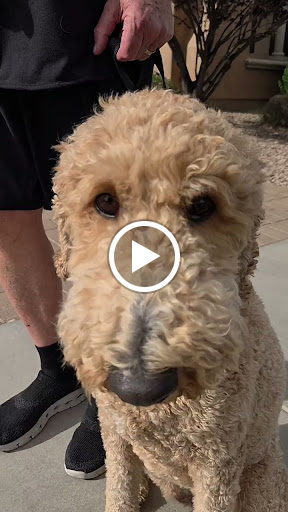
I keep a brief script prepared for interactions. A friendly "We are training, so please give us space today" works nine times out of ten, specifically if you provide it with a smile and keep moving. If someone firmly insists, step off the path and park your dog behind your legs in a sit. Your body ends up being a visual gate. A vest patch can assist, but clear words and positive handling do more.
Skateboards and scooters are regular visitor stars. Teens ride the path and cut curves firmly. Instead of curse the flow, utilize it. Ask the rider to offer you a couple of perform at a distance, then pay a teenager with a Gatorade if they assist. You get predictable passes and the dog learns that this quick wheeled thing repeats and is safe. The majority of kids like to be part of training when welcomed, and you control the variables.
Maintenance teams bring leaf blowers and carts, abundant training props when utilized mindfully. Numerous pet dogs do not like the metallic clatter of a cart on concrete. Start with a stationary cart and treat the dog for stepping past it without pinning ears. Then ask the crew for a sluggish roll-by if they have a minute. Always thank them and never presume accessibility when they are dealing with time.
Heat, paws, and security in the Sonoran sun
Gilbert summer seasons are extreme. Asphalt temperature levels can go beyond 140 degrees when the air reads 95. You can not eyeball pavement danger. Press the back of your hand to the course for 5 seconds. If it burns, it burns your dog. Pick grass or shaded concrete, or train at dawn and near dusk. Summer sessions typically diminish to 10 to 15 minute blocks with water breaks in shade. Paw balm can help with minor abrasion, but it does not avoid burns.
Rattlesnakes are a seasonal reality near brushy edges. Remain on open courses and keep the dog out of high groundcover. If your service dog will work outdoors frequently, consider a credible rattlesnake hostility clinic that utilizes genuine snakes and low-pressure protocols. Vaccines do not prevent envenomation. Avoidance and awareness conserve more pets than injections.
Water safety around the lake matters too. Some dogs track waterfowl aggressively on first exposure. If your dog shows prey drive, select paths that keep a visual barrier, like a berm or parked car line, until you have a tidy action to your name or a leave-it cue under lighter distractions.
Task training in a park context
Socialization does not end at neutrality. A service dog need to carry out jobs in the very same areas they will eventually work. The park offers natural setups for a range of tasks.
For medical alert canines, practice passive signs in movement. If your dog informs to rising heart rate by nose target or chin rest, develop representatives while walking. At a quiet stretch, imitate the hint if you have a safe approach approved by your medical team, or utilize a pseudo-cue like a wrist tap to prompt the dog's indicator, then pay well. This alters the dog's expectation from static alert in the house to moving alert with distractions.
For mobility help, use curbs and gentle slopes to teach safe speed modifications. Request for a time out at each change in elevation with the dog aligned on your steady side. Reward the pause heavily in the beginning. Rushing downhill is a regular early error that threatens balance. Practicing regulated transitions on varied grades tunes the dog's rhythm to yours.
For psychiatric service tasks like Robinson Dog Training psychiatric service dog training deep pressure treatment, try a seated DPT on a bench at the structure dealing with away from traffic. An unwinded, sustained lean even as joggers pass behind you is a strong indicator the dog comprehends task over novelty. Keep sessions brief so you do not obstruct public seating during busy periods.
When to make it harder, when to back off
Progress stalls most often because teams add strength on 2 axes at the same time: distance and period. If you move more detailed to the play ground and request longer remain at the very same time, you muddy the water. Modification one variable, procedure, then change. The dog's body will tell you what is excessive. If breathing rate climbs up and students dilate, if the dog swallows consistently or gets rid of when no water is included, those are stress signals. Dial down.
Generalization needs range, not consistent escalation. A great week of training may appear like this: two brief exposure sessions with easy wins, one medium challenge day where you edge closer to an interruption, and one rest day with a nature sniff walk on the periphery. Pets consolidate skills when they sleep. Packing the calendar every day courts regression.
The two most common errors at the park
The first is drilling obedience when the dog is over limit. A dog that will not take food or disengage from a trigger can not learn better heel mechanics. Remove the dog to a distance where cognition returns, then attempt once again. Training does not deepen grit by white-knuckling through bad reps.
The second is measuring success by distance alone. I have seen handlers drag a young dog to the earth's edge of the splash pad, sweating with pride that they "made it." The dog leaves with flared eyes, the handler with a story, and both are worse for it. Success is a dog that picks the handler while stimuli ebb and flow, not a photo at the foot of the jets.
A sample 45 minute session map
This single list uses a clean, actionable plan without locking you into stiff actions. Adjust times based on heat, dog age, and crowd level.
- Five minute acclimation near the vehicle with quiet engagement video games and water available. Ten minutes of loose leash strolling on the outer loop, marking voluntary check-ins and satisfying calm passes of joggers from 15 to 20 feet. Eight minutes of approach-retreat work near the lake, closing from 60 feet to 30 feet if body language remains neutral. Seven minutes under a structure practicing brief down-stays with you stepping away 2 to six paces, then returning to feed. Ten minutes stationed 60 to 80 feet from the splash pad, reinforcing glance-to-handler behaviors, practicing a three step heel and sit in between waves of kids, then ending with a decompression smell walk back to the car.
Building strength through novelty
Rotate exposures. One week, concentrate on sound: discover the day crews test speakers for an occasion and work outside the cone of sound. Another week, go after visual motion: scooters, strollers with balloon accessories, and flag football on adjacent fields. A 3rd week, target surface areas: grates, bridge slabs, wet concrete, and turf. Durability comes from a brain that has seen 50 variants of a category, not five perfect repeatings of one.
I keep little novelty products in my package, not to frighten but to normalize: a folding umbrella, a roll of painter's tape for a short-lived limit on a quiet stretch of concrete, a rubber mat for stationing when the ground is too hot or busy. Unfold the umbrella gradually while feeding, then close it and feed once again. It is not a circus technique, it is teaching the dog that alter appears and the handler is safe to watch.
Working with other groups without turning it into a playdate
Peer training provides substantial gains if made with discipline. 2 handlers can establish alternating pass-bys on a path, beginning at 40 to 60 feet and closing a little each pass if both pets keep soft bodies and eyes. Canines find out to see another working dog as background rather than invite. Keep the leashes short and the conversation shorter. Talk after the reps are total. If one dog flags, both teams increase range and reset quietly.
Avoid letting the pet dogs meet face to deal with, specifically if one is under a year old. Courteous greetings fracture focus you have actually worked to construct, and numerous adolescent dogs default to play bows with disrespectful speed. Rather, reward your dog for neglecting the other group. That habit saves you in grocery aisles and medical centers where service dogs may cross paths.
Handling the unexpected
The park has a skill for unscripted tests. A soccer ball can roll into your area without caution. A child may go to hug your dog. A drone might take off from a nearby picnic table. Pre-plan your emergency moves.
I teach a "behind" position where the dog tucks behind my legs and sits. Practice it in the house, then proof it in peaceful zones. In the wild, deliver the cue, step in front, and deal with the human variable. The majority of people react well when they see the handler safeguard the dog and usage clear words like "Please offer us area, we are working." If someone continues, move with your dog behind you to the edge of the path and let them pass first.
Dropped food is unavoidable near picnic locations. Train a leave-it that is specific to ground food. If your dog snares a chicken bone, do not pry the mouth open in panic, which can set off a keep-away reflex. Trade up with high worth food you bring. Practice trades frequently so the pattern is light and quick.

Gear that assists without turning the dog into a pack mule
Keep it basic. A well-fitted flat collar or martingale, a 6 foot leash, and a harness that enables totally free shoulder movement will cover most needs. A treat pouch that widens speeds delivery and keeps your hands totally free. A collapsible water bowl and a bottle are non-negotiable in warm months. If your dog works movement or counterbalance, consult your trainer and veterinarian before utilizing any weight-bearing harness on sloped or slick surfaces at the park.
For sound-sensitive dogs, consider loop ear covers in early stages to muffle abrupt jolts without eliminating sound completely. The goal is habituation, not isolation. Stage them out as the dog's confidence grows.
Measuring development the right way
Keep notes. After each park session, jot 3 lines: what went better than last time, what wobbled, and what you will alter next see. Over a month, patterns appear. Possibly the dog neglects scooters by week three but still increases near clanging play area panels. That informs you to invest time at the panels from a distance, then to utilize fiber mats underfoot to reduce resonance while you construct duration.
Progress might appear like fewer startle recoveries, faster reorientation after surprises, or an additional 3 feet of distance to a trigger with the very same loose, pleased body. Those markers count more than arbitrary time goals. If the dog comes home psychologically exhausted but not wrung out, you are ideal on track.
When the park is not the ideal choice
Some pets bring a mix of genetics and early history that sets a low limit for stimulation or fear. For them, the park throughout peak hours is unproductive. Train at dawn on weekdays or default to quieter environments until your operant behaviors and stimulus control are rock solid. There is no embarassment in avoiding a Saturday celebration if your dog needs another month of regulated exposures.
If you see increasing reactivity over a number of sees regardless of careful handling, time out and bring in a skilled service dog trainer who can observe your timing, mechanics, and reading. Often a little handler routine, like tightening up the leash preemptively, keeps an issue alive.
A last field note
Gilbert Regional Park will teach you as much about your handling as it teaches your dog about the world. On an excellent day, you will slide from a cool shaded down-stay to a brilliant, busy path without a bump. On a rough day, you will take three actions, retreat 5, and feel like you are treading water. Both days build the same skill if you observe the dog. Self-confidence layered thoroughly tends to hold when it matters, whether that is a crowded clinic lobby or a restaurant patio at dinnertime.
The park is not a stage to show off a finished group. It is a living class. Utilize its noise, its odd angles, and its consistent stream of surprises to make a service dog that stays steady when real life tilts. Bring water, bring persistence, and entrust a dog that chooses you, again and again, no matter what swirls around.